
CBC Test: What It Is, Normal Ranges, and Why It Matters
Complete Blood Count (CBC) Explained
LABS & DIAGNOSTICS
IMC Doctors/Consultants
CBC Test: What It Is, Normal Ranges, and Why It Matters?
A Complete Blood Count (CBC) test is one of the most commonly ordered blood tests and is often the first step doctors use to understand what’s happening inside the body. Even when a person feels well, a CBC test can reveal hidden issues such as anemia, infection, or inflammation.
In cities like Islamabad, CBC testing is frequently advised during routine health checkups, fever evaluation, and before medical procedures. Understanding this test helps patients make informed decisions about their health and follow medical advice more confidently.
What Is a CBC Test?
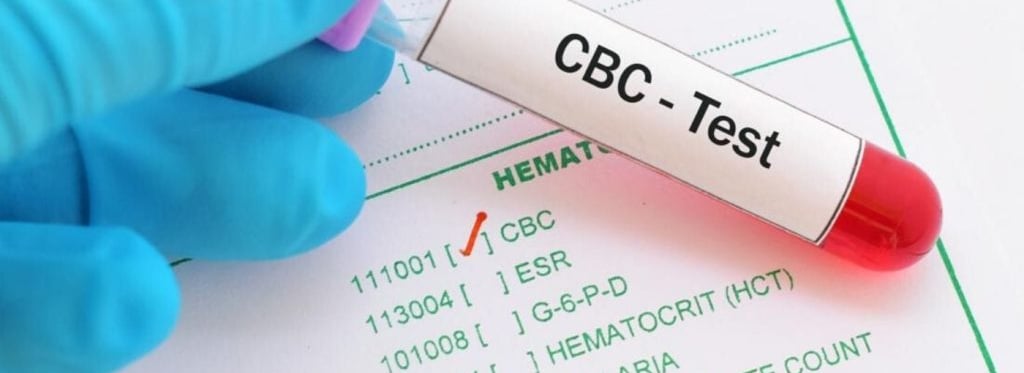
A CBC (Complete Blood Count) test measures different components of blood. Blood plays a vital role in carrying oxygen, fighting infections, and controlling bleeding. This test provides a general overview of how well these functions are working.
A CBC typically includes:
Red blood cells (RBCs) – responsible for oxygen transport
White blood cells (WBCs) – help fight infections
Hemoglobin (Hb) – oxygen-carrying protein in red cells
Hematocrit (Hct) – proportion of red blood cells in blood
Platelets – assist in blood clotting
Because it evaluates multiple parameters at once, a CBC test is often considered a basic health screening test.
Why Is a CBC Test Important?
Doctors may use a CBC test to:
Detect anemia or blood loss
Identify infections and inflammatory conditions
Monitor chronic medical conditions
Assess overall health during routine checkups
Evaluate symptoms such as weakness, dizziness, or fever
In Pakistan, where nutritional deficiencies and infectious diseases are relatively common, CBC testing plays an important role in early detection and monitoring.
Common Reasons a Doctor May Recommend a CBC
A CBC test may be advised if a person experiences:
Persistent tiredness or weakness
Fever or repeated infections
Pale skin or shortness of breath
Easy bruising or frequent bleeding
Pre-surgical assessment or routine screening
It may also be repeated over time to monitor response to treatment or disease progression.
What Does a CBC Report Include?
A CBC report contains several values, each providing specific information about blood health.
Red Blood Cell Parameters
RBC count
Hemoglobin (Hb)
Hematocrit (Hct)
Low values may be associated with anemia, while higher values may occur due to dehydration or other factors.
White Blood Cell Parameters
Total WBC count
Differential count (neutrophils, lymphocytes, monocytes, eosinophils, basophils)
These values help doctors assess infections or immune responses.
Platelet Count
Platelets play a key role in preventing excessive bleeding. Abnormal platelet counts may require further clinical evaluation.
CBC Normal Ranges (General Reference)
Note: Normal ranges may vary slightly depending on age, gender, and laboratory standards.
Parameter Typical Adult Range
Hemoglobin (Men): 13–17 g/dL
Hemoglobin (Women): 12–15 g/dL
WBC Count: 4,000–11,000 /µL
Platelets: 150,000–450,000 /µL
Hematocrit (Men): 40–50%
Hematocrit (Women): 36–44%
Results should always be interpreted by a doctor in the context of symptoms and medical history.
Who Should Consider a CBC Test?
A CBC test may be recommended for:
Adults with unexplained fatigue
Children with frequent infections
Pregnant women (routine monitoring)
Patients with chronic illnesses
Individuals undergoing surgery
People with suspected nutritional deficiencies
It is also commonly included in annual health checkups.
Is Fasting Required for a CBC Test?
In most cases, fasting is not required for a CBC test. People can usually eat and drink normally unless additional tests are ordered at the same time.
Always follow the instructions given by your doctor or laboratory.
How Is the CBC Test Performed?
The test involves:
Collecting a small blood sample from a vein
The procedure usually takes only a few minutes
Mild discomfort may be felt during needle insertion
Reports are often available the same day or within 24 hours, depending on laboratory workflow.
CBC Test Availability at Our Center
At IMC Labs a diagnostic unit Islamabad Medical Centre IMC G10, CBC testing is performed using standardized laboratory methods under quality-controlled conditions. Samples are handled by trained staff, and reports are issued following established laboratory protocols.
If a CBC test has been advised by your doctor, you may contact the lab to check test availability, preparation instructions, and report turnaround time.
Frequently Asked Questions (FAQs)
Is a CBC test painful?
The test involves a needle prick, which may cause brief discomfort but is generally well tolerated.
Can a CBC test detect infection?
A CBC can indicate the presence of infection through changes in white blood cell counts, but it does not identify the exact cause.
How long does it take to get CBC results?
Report timing can vary depending on the laboratory, but results are often available within the same day.
Can stress or illness affect CBC results?
Yes, acute illness, stress, or dehydration may temporarily affect certain values.
How often should a CBC test be done?
The frequency depends on individual health conditions and should be decided by a doctor.
Key Takeaways
A CBC test is a basic yet powerful health screening tool
It helps detect anemia, infections, and blood-related abnormalities
Results must always be interpreted by a healthcare professional
The test is quick, safe, and widely used
Need More Information?
If you have questions about CBC test preparation or report timing, you may contact IMC Labs G10 for general information, pricing and guidance.
Reviewed by:
Consultant Pathologist
IMC Labs- A Diagnostic Unit of Islamabad Medical Center G-10
Medical Disclaimer
This article is for general health awareness and educational purposes only. It does not replace consultation with a qualified healthcare professional. Test results and medical decisions should always be discussed with your qualified medical doctor.